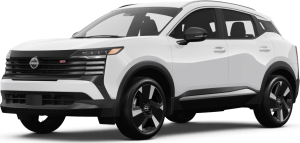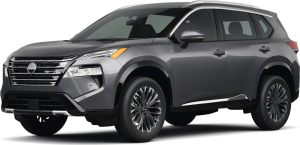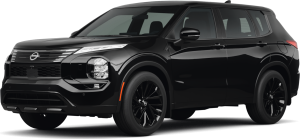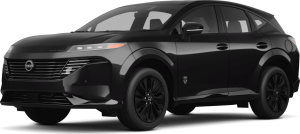
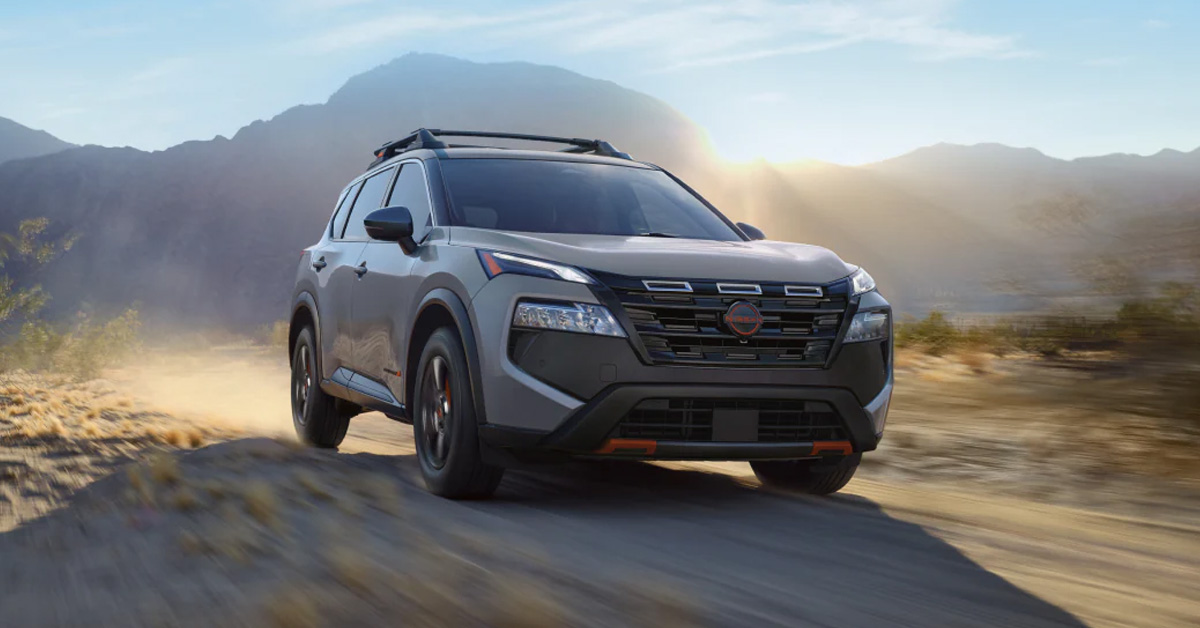
If you are considering the 2026 Nissan Rogue Plug-in Hybrid for commuting around Queens, Long Island, Brooklyn, or the Bronx, understanding New York's current HOV rules is important. The key change is that the New York State Clean Pass Program expired on September 30, 2025. Since October 1, 2025, qualifying plug-in hybrid and electric vehicles can no longer use the LIE HOV lane with a single occupant simply because of their powertrain. Drivers must now meet the standard HOV occupancy requirements.
At Star Nissan of Bayside, we understand that choosing a vehicle involves more than comparing features and fuel economy. Our team is here to help drivers understand how a vehicle fits into their everyday commute, including important considerations for Long Island travel. We proudly serve drivers throughout Queens, Bayside, Flushing, Brooklyn, the Bronx, and Long Island with new Nissan models, pre-owned vehicles, service, and automotive support.
The Clean Pass Program Has Ended
For years, the New York Clean Pass Program gave qualifying alternative-fuel vehicles a special benefit on the Long Island Expressway. Certain plug-in electric and plug-in hybrid vehicles with the appropriate Clean Pass sticker could use the LIE HOV lanes during restricted periods regardless of the number of occupants. That exemption is no longer available.
According to the New York State Department of Transportation, the federal authorization that supported the Clean Pass Program expired on September 30, 2025. Beginning October 1, 2025, vehicles that previously participated in the program were required to follow the standard HOV occupancy requirements. For drivers researching the 2026 Nissan Rogue PHEV HOV access, this means the vehicle's plug-in hybrid status does not automatically provide single-occupant access to the LIE HOV lane.
The important takeaway is simple:
- The Clean Pass Program expired September 30, 2025.
- New Clean Pass stickers are no longer issued for this purpose.
- Existing Clean Pass stickers do not provide a continuing single-occupant exemption.
- Plug-in hybrid vehicles must meet applicable HOV occupancy requirements.
- Drivers should always follow current roadway signs and New York traffic regulations.
Standard HOV Requirements Now Apply
The LIE HOV lane rules now require drivers to follow the standard occupancy requirements rather than relying on the vehicle's electric or plug-in hybrid classification. The former Clean Pass exemption was specifically designed to encourage adoption of fuel-efficient and alternative-fuel vehicles. It allowed qualifying vehicles to use the 40-mile LIE HOV lanes without meeting the normal passenger requirement. That special treatment ended when the federal authorization expired. For someone commuting alone, owning a PHEV does not mean you can automatically enter the restricted HOV lane.
For someone traveling with another passenger, the situation is different. A vehicle that meets the applicable occupancy requirement can use the HOV lane when permitted by the posted restrictions. Because traffic rules can change and specific roadway restrictions may apply, drivers should pay attention to the signs along their route rather than relying on older information about Clean Pass eligibility. This distinction is especially important for anyone researching single-occupant HOV lane NY rules before purchasing a plug-in hybrid.
A vehicle's ability to drive on electric power and its eligibility for HOV access are two separate issues.
Clean Pass Stickers No Longer Provide Single-Occupant Access
Drivers who previously searched for NY Clean Pass sticker-eligible cars may remember the distinctive Clean Pass decals that identified qualifying vehicles. Those stickers were connected to the former program, which allowed certain eligible vehicles to use the LIE HOV lane with one occupant. NYSDOT confirms that the program ended September 30, 2025, and vehicles are not grandfathered into the former exemption. As a result, purchasing a new plug-in hybrid does not mean you need to apply for a Clean Pass sticker to obtain single-occupant LIE HOV privileges.
That program has ended. However, the end of Clean Pass does not mean that electrified vehicles have lost every possible benefit. NYSDOT notes that vehicles that previously qualified for Clean Pass may still be eligible for certain toll discounts through the E-ZPass Green Pass program on qualifying Port Authority bridges and tunnels and the New York State Thruway. Eligibility and program rules are separate from LIE HOV access.
The 2026 Nissan Rogue Plug-in Hybrid Still Offers Everyday Electric Driving
While HOV access is no longer a special benefit for PHEVs, the Nissan Rogue Plug-in Hybrid offers several features that can make it appealing for everyday commuting. The 2026 model provides up to 38 miles of EPA-estimated all-electric driving range, giving drivers the opportunity to complete many shorter daily trips using electric power. Its combined electricity and gasoline range can reach up to 420 miles, providing additional flexibility for longer drives. Nissan also lists up to 64 MPGe for the model.
The powertrain combines gasoline and electric propulsion, giving drivers flexibility depending on the trip. Regenerative braking with e-Step technology can also help recover energy during deceleration and return it to the battery. For Long Island commuters, that flexibility can be useful. A shorter trip around town may be handled primarily with electric power, while longer travel can take advantage of the vehicle's combined gasoline and electric range.
Charging Adds Flexibility to the Daily Commute
The plug-in hybrid design gives the Rogue PHEV another advantage over a conventional gasoline-only SUV. Drivers can recharge the battery and use electric power for shorter trips rather than relying entirely on gasoline. The 2026 model uses a 20-kWh lithium-ion battery, and Nissan states that a professionally installed Level 2 home charger can be used for convenient overnight charging. A standard portable charging cable is also available. Nissan lists a charging time of approximately 7.5 hours at 240 volts for the Rogue Plug-in Hybrid.
For someone who regularly leaves home with a full charge, the available electric range can make everyday driving more efficient. Once the battery's usable electric range has been consumed, the vehicle can continue operating using its gasoline and electric powertrain. That combination can make a plug-in hybrid particularly appealing to drivers who want an electrified driving experience without relying exclusively on public charging infrastructure.
Three Rows Add Practicality for Families
The Rogue Plug-in Hybrid is also designed with family-friendly utility in mind. Nissan lists seating for up to seven passengers, with three rows and a flat-folding third row that can provide additional flexibility when transporting passengers or cargo. That makes the vehicle more than a commuter option.
It can also accommodate:
- Family trips
- School and activity transportation
- Weekend travel
- Grocery runs
- Longer road trips
- Additional cargo when the third row is folded
For drivers in Queens, Long Island, and surrounding communities, having additional seating can be useful when daily plans change. You might leave for a normal commute and end up picking up family members, carrying extra gear, or making several stops along the way.
Intelligent All-Wheel Drive Supports Year-Round Confidence
Another notable feature is Intelligent All-Wheel Drive. Nissan lists Intelligent All-Wheel Drive as part of the 2026 Rogue Plug-in Hybrid's configuration. (Nissan USA) For drivers who regularly encounter changing road conditions, AWD can provide additional traction and confidence. While all-wheel drive does not eliminate the need for careful driving, it can be useful when roads are wet, slippery, or otherwise challenging. Combined with the plug-in hybrid powertrain, three-row layout, and available technology, the Rogue PHEV provides a blend of efficiency and practicality that goes beyond its former HOV eligibility.
LIE Commuters Should Separate Fuel Savings From HOV Benefits
It is easy to see why the Clean Pass Program created confusion. A vehicle could qualify as a plug-in hybrid and receive special HOV treatment under the old program, leading some drivers to assume that owning a PHEV automatically means HOV access. That is no longer the case. Today, drivers should consider two separate questions:
- How does the vehicle's electrified powertrain fit my driving needs?
- Does my vehicle meet the current HOV occupancy requirements for the trip I'm taking?
The first question is about fuel use, electric range, charging, performance, and everyday practicality. The second is about New York roadway regulations. Keeping these issues separate can help shoppers make a more informed decision when comparing the Rogue plug-in hybrid benefits with other electrified vehicles.
Does the 2026 Nissan Rogue PHEV qualify for the LIE HOV lane with only one person?
No. The Clean Pass Program expired September 30, 2025. Beginning October 1, 2025, qualifying plug-in hybrid vehicles must meet the standard HOV occupancy requirements.
How do I apply for the New York Clean Pass stickers for my Rogue?
You cannot apply for a new Clean Pass sticker for single-occupant HOV access because the Clean Pass Program ended September 30, 2025.
Can I use the HOV lane immediately after buying the car, or do I need to wait for the stickers?
The former Clean Pass single-occupant exemption is no longer available. During applicable restricted periods, the vehicle must meet the standard HOV occupancy requirements.
Do the Clean Pass stickers allow travel in HOV lanes outside of Long Island?
The Clean Pass Program has ended, so its single-occupant HOV exemption is no longer available. Other toll programs have separate eligibility rules and should not be confused with HOV access.
Where exactly on the car do I need to place the Clean Pass stickers?
New Clean Pass stickers are not required for single-occupant LIE HOV access because the program expired in 2025. Drivers should follow current HOV occupancy requirements instead.
Find Your Next Electrified Nissan at Star Nissan of Bayside
If you're considering a Nissan Rogue Plug-in Hybrid for commuting in Queens, Long Island, Bayside, Flushing, Brooklyn, or the Bronx, our team at Star Nissan of Bayside can help you compare its electric driving capability, charging options, passenger space, and available technology. We also offer a range of new, used, and certified pre-owned Nissan vehicles for drivers with different priorities and budgets. Our factory-trained technicians are available for maintenance and repairs, using Nissan-specific tools, equipment, and OEM parts to help keep your vehicle ready for the road.
Before making your decision, you can continue researching Nissan ownership with helpful resources about Nissan longevity, as well as the advantages and considerations of buying versus leasing a vehicle in the Bronx also in Brooklyn. When you're ready to take the next step, our team is here to help you find a Nissan that fits the way you drive. Contact or visit us today!
Contact Star Nissan of Bayside
Get Directions to Star Nissan of Bayside
Disclaimer: All information is provided for general informational and entertainment purposes only. While we strive for accuracy, we cannot guarantee that all content is complete, current, or error-free. Any reliance you place on such information is strictly at your own risk. This article may include opinions and is not endorsed by, or officially affiliated with, any vehicle manufacturer or brand. Always consult official sources – such as the vehicle’s owner’s manual, authorized dealerships, or certified professionals – for the most up-to-date and personalized information.